


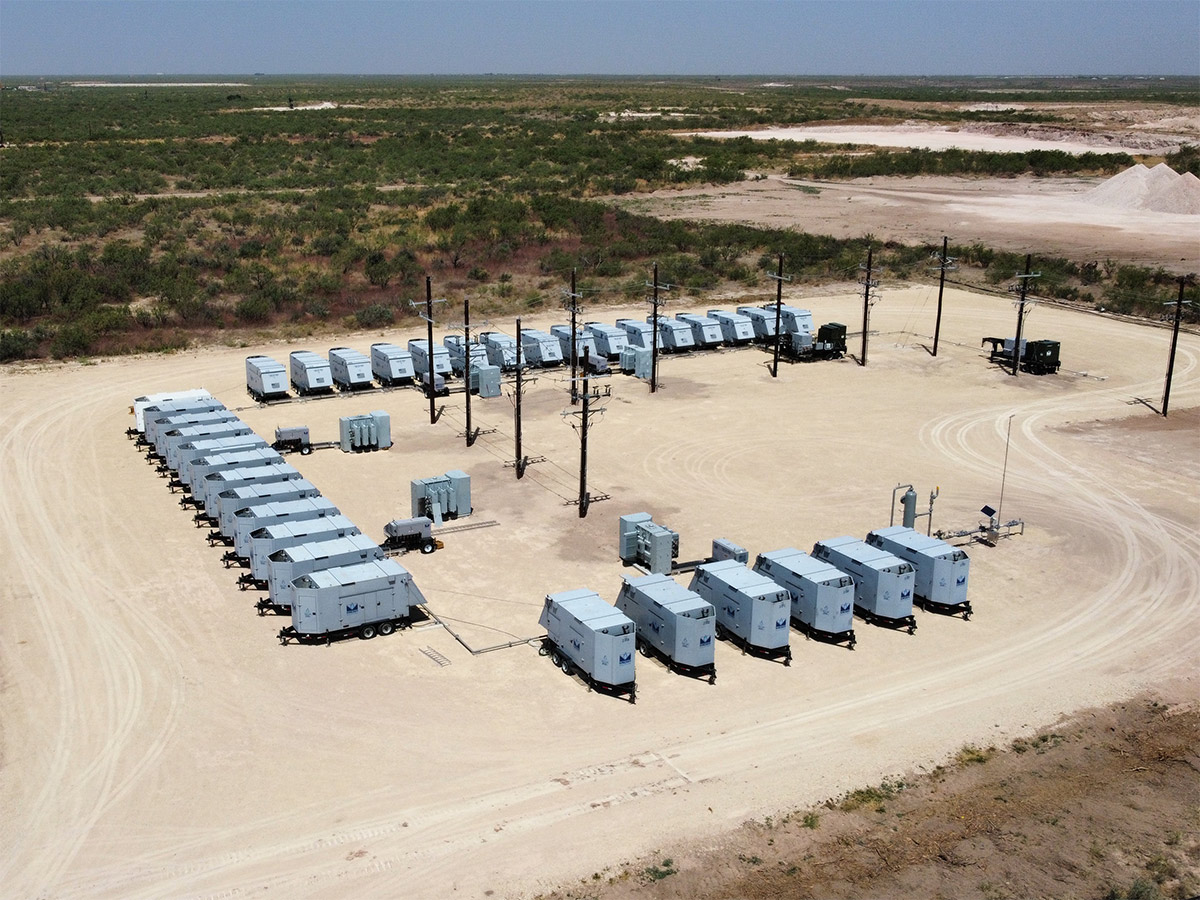
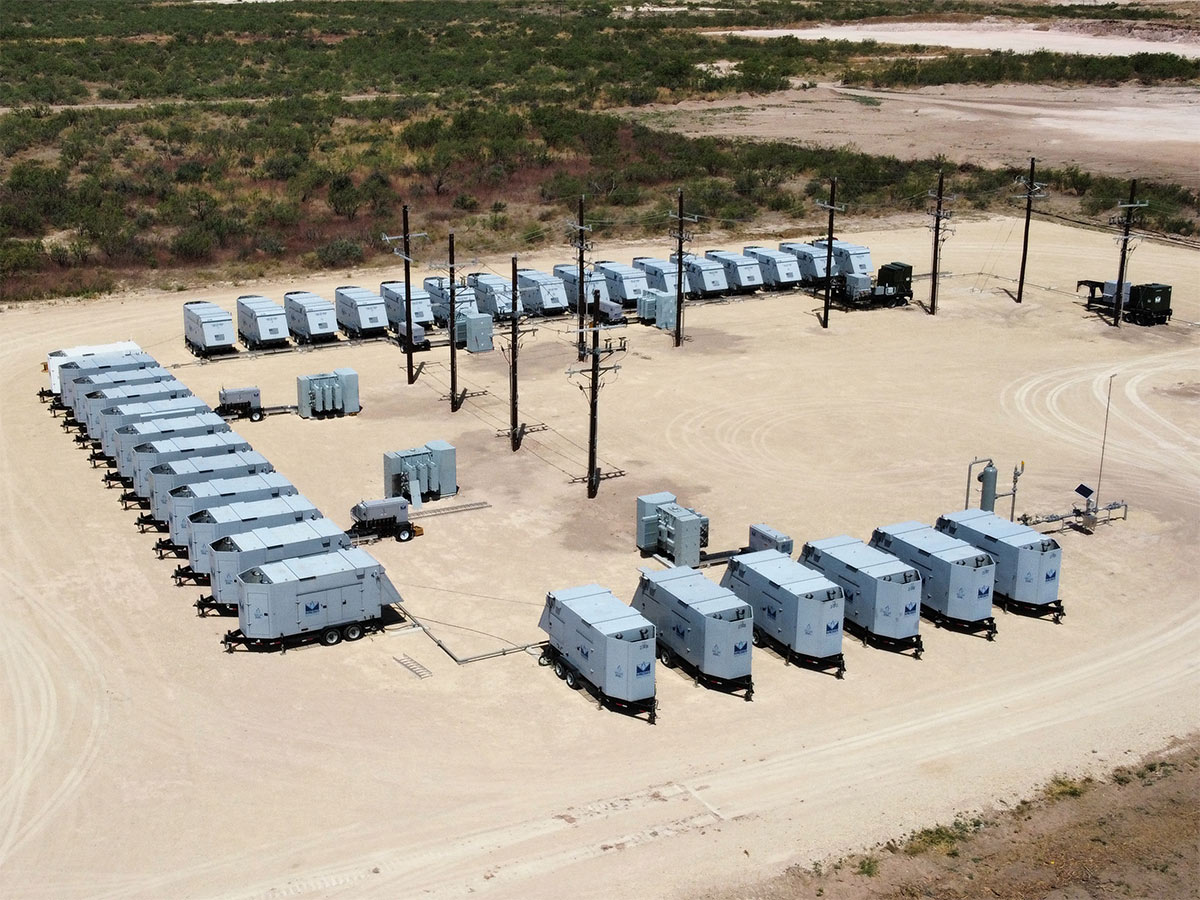
For commercial and industrial facilities, reliable power is becoming increasingly complex. Organizations may need to account for utility outages, growing electrical loads, peak demand, renewable energy resources, energy storage, and the need to maintain critical operations during grid disruptions.
A microgrid brings multiple energy resources together into a coordinated local power system. By integrating technologies such as generators, Battery Energy Storage Systems (BESS), renewable generation, power distribution equipment, and intelligent controls, a microgrid can give a facility greater control over how power is generated, stored, and used.
For organizations evaluating ways to strengthen operational resilience, understanding how microgrids work is an important first step.
What Is a Microgrid?
A microgrid is a localized power system that coordinates on-site energy resources and electrical loads within a defined area. It can operate while connected to the utility grid and, when properly designed for islanded operation, can disconnect from the grid and support designated loads using local power resources.
Microgrids can be designed for a single commercial or industrial facility, a campus, critical infrastructure, or other localized applications.
Unlike a traditional backup power system that may primarily respond to a utility outage, a microgrid can actively coordinate multiple distributed energy resources based on facility requirements and operating conditions.
How Does a Microgrid Work?
A microgrid manages the generation, storage, distribution, and consumption of electricity within its defined electrical boundary.
During normal operation, a grid-connected microgrid can operate alongside the utility. Depending on its design, available equipment, utility requirements, and facility objectives, the system can coordinate on-site generation and stored energy with utility power.
When utility power is unavailable, a microgrid designed for islanded operation can disconnect from the grid and use available on-site resources to support designated electrical loads.
This ability to transition between grid-connected and islanded operation is one of the defining characteristics of many microgrid systems.
What Equipment Is Used in a Microgrid?
Microgrids are not a single piece of equipment. They are engineered systems that can combine several power technologies according to the facility’s electrical requirements and operational objectives.
Distributed Energy Resources
Distributed energy resources (DERs) provide electricity within the microgrid. Depending on the application, these resources can include:
- Diesel or natural gas generators
- Solar photovoltaic systems
- Wind generation
- Fuel cells
- Other on-site generation technologies
Generators can play an important role in commercial and industrial microgrids because they provide dispatchable power that is not dependent on weather conditions.
Battery Energy Storage Systems
Battery Energy Storage Systems can store electricity and make it available when required by the microgrid.
Depending on system design and operating strategy, BESS can support applications such as backup power, renewable energy integration, load management, and peak shaving. Energy storage can also work alongside generators and other distributed energy resources rather than functioning as a standalone solution.
Commercial and industrial BESS configurations can include all-in-one, containerized, mobile, and hybrid systems.
Microgrid Controls
The control system serves as the intelligence behind the microgrid. It monitors electrical conditions and coordinates how available resources operate.
Depending on the system, controls can manage generators, BESS, renewable generation, utility interaction, and electrical loads. Effective controls are critical because individual power assets must operate as a coordinated system rather than as independent pieces of equipment.
Power Distribution and Switching Equipment
Switchgear, automatic transfer switches (ATS), transformers, and other power distribution components help safely route power through the system and support transitions between different power sources.
The exact configuration depends on the facility’s existing electrical infrastructure, load requirements, available generation, and intended operating modes.
Want to Explore Microgrids in More Detail?
For a deeper look at microgrid technologies, applications, and considerations for commercial and industrial power infrastructure, download the Global Power Supply Microgrid White Paper.
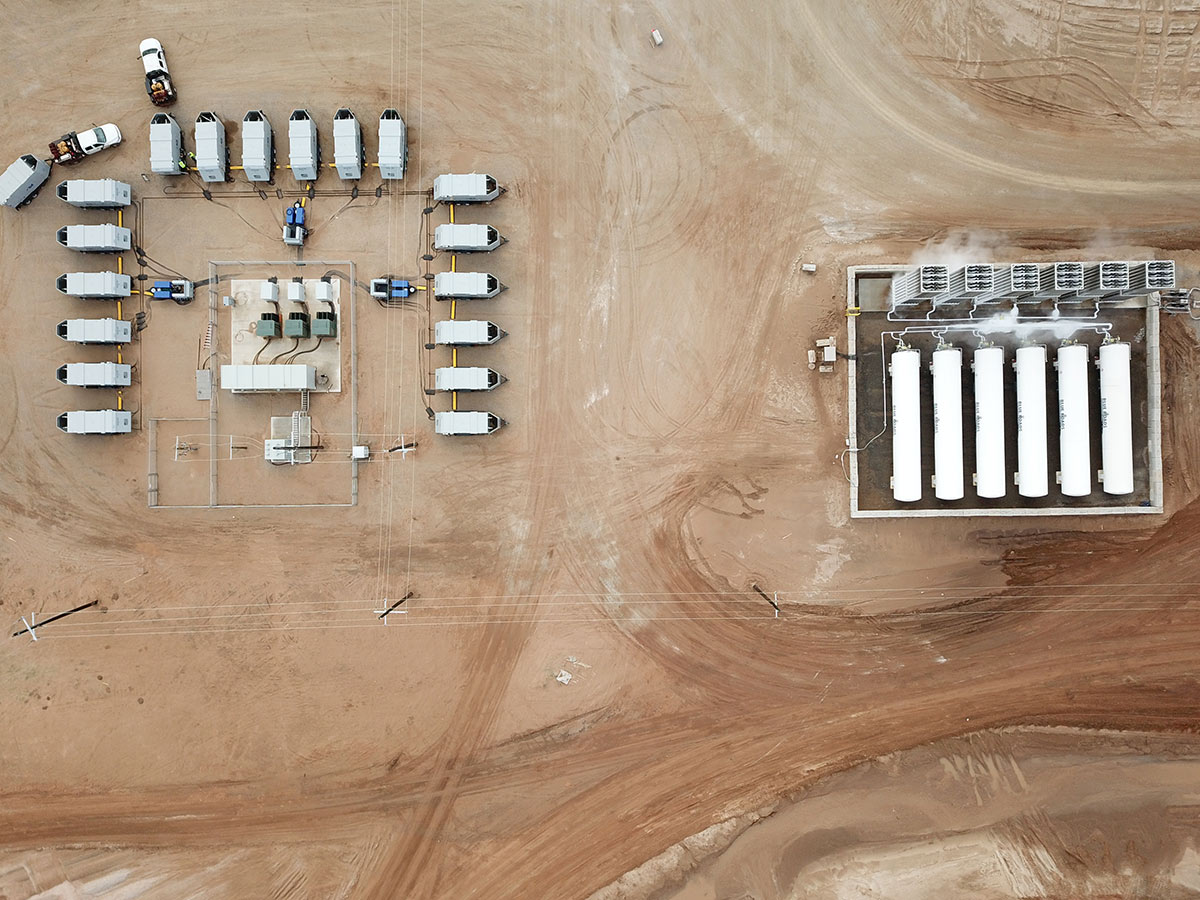
What Is Microgrid Islanding?
Islanding is the ability of a microgrid to disconnect from the utility grid and operate independently using local energy resources.
During a utility outage or other grid disruption, a microgrid designed and configured for islanded operation can disconnect from the utility grid and use available on-site resources to support designated electrical loads. Once acceptable utility conditions return, the system can transition back to grid-connected operation according to its control strategy and interconnection requirements.
For facilities where downtime carries significant operational or financial consequences, islanding can make a microgrid an important part of a broader resilience strategy.
What Are the Benefits of a Microgrid?
The value of a microgrid depends on how the system is designed and what the facility needs it to accomplish. Potential benefits can include:
Improved Power Resilience
A microgrid can provide another layer of resilience by coordinating on-site generation and energy storage during utility disruptions.
For data centers, manufacturing operations, healthcare facilities, water treatment facilities, oil and gas operations, and other critical infrastructure, greater control over local power resources can help reduce exposure to grid-related disruptions.
Greater Control Over Energy Resources
Rather than relying on individual power assets operating independently, a microgrid provides a framework for coordinating multiple resources.
This can allow facilities to determine when generators operate, when batteries charge or discharge, how renewable generation is utilized, and how the system interacts with utility power.
Peak Shaving and Load Management
Battery storage and on-site generation can potentially be used to manage facility demand during periods of high electrical load.
The appropriate strategy depends on the facility’s load profile, utility rate structure, available equipment, and operational requirements. These factors should be evaluated during the planning and engineering process.
Renewable Energy Integration
Solar and other renewable resources are variable by nature. A microgrid can integrate renewable generation with energy storage, dispatchable generation, and controls to create a more coordinated energy system.
Scalability and Flexibility
Microgrids can be engineered around existing infrastructure and expanded as power requirements evolve.
Depending on the application, organizations may be able to incorporate existing generators, switchgear, and other electrical assets into a broader microgrid strategy rather than replacing the entire power system.
How Do Generators and BESS Work Together in a Microgrid?
Generators and Battery Energy Storage Systems serve different but complementary functions.
Generators provide dispatchable power and can support longer-duration electrical demand as long as an appropriate fuel supply is available. BESS can respond rapidly to changes in electrical demand and store energy for later use.
When properly engineered and controlled, these technologies can operate together within a hybrid microgrid. The control system determines how each resource contributes based on factors such as facility load, battery state of charge, available generation, utility conditions, and the microgrid’s operating strategy.
The result is not simply a collection of backup equipment. It is an integrated power system designed around the facility’s specific operational requirements.
What Are the Challenges of Implementing a Microgrid?
Microgrids can provide significant operational flexibility, but designing one requires careful analysis.
Every facility has a different load profile, electrical infrastructure, utility connection, physical site, and operational priorities. Adding generators, battery storage, renewable resources, and control systems introduces additional considerations involving equipment sizing, system integration, power flow, controls, interconnection, permitting, and local requirements.
Renewable generation also introduces variability, while energy storage must be properly sized according to the required power output, energy capacity, runtime, and intended use.
These variables are why microgrid planning should begin with a detailed evaluation of the existing power system and clearly defined project objectives.
Does My Facility Need a Microgrid?
A microgrid may be worth evaluating when an organization wants greater control over its power infrastructure or needs to address multiple energy objectives through an integrated system.
Common reasons to evaluate a microgrid include:
- Maintaining critical operations during utility disruptions
- Improving facility power resilience
- Integrating Battery Energy Storage Systems
- Coordinating generators with energy storage
- Integrating renewable energy resources
- Managing peak electrical demand
- Supporting growing or changing facility loads
- Making better use of existing on-site power assets
However, a microgrid is not automatically the right solution for every facility. In some applications, a generator, UPS system, BESS, or another infrastructure improvement may address the requirement more effectively.
The appropriate solution starts with understanding the facility’s loads, existing infrastructure, operating requirements, and project objectives.
What Is a Microgrid Application Study?
A Microgrid Application Study evaluates how a proposed microgrid could integrate with an existing power system before the organization commits to implementation.
Global Power Supply’s engineers can model the existing power system and simulate potential microgrid operating scenarios. The study is designed to evaluate factors such as grid-connected and islanded operation, potential equipment requirements, energy management strategies, integration with existing infrastructure, and project-specific benefits, costs, and challenges.
Based on the analysis, customers receive actionable recommendations for integrating a microgrid into their power infrastructure.
This engineering-first approach helps organizations answer an important question before making a major infrastructure investment: What microgrid configuration makes sense for this facility and its actual power requirements?
Building a More Resilient Power Strategy
Microgrids provide commercial and industrial organizations with another way to approach power resilience. By coordinating generation, Battery Energy Storage Systems, renewable resources, controls, and existing electrical infrastructure, a properly engineered microgrid can provide greater flexibility and control over facility power.
The right solution, however, depends on the application.
Global Power Supply provides vendor-neutral power infrastructure solutions supported by engineering expertise across generators, energy storage, power distribution, and microgrid integration. A Microgrid Application Study can help determine how these technologies could work together within your facility and whether a microgrid aligns with your operational requirements.
Ready to evaluate your facility’s power strategy? Explore our Microgrid Application Study and speak with our team about your project requirements.