

Selecting the right generator enclosure is a critical decision for any commercial or industrial power project. Whether choosing from manufacturer supplied options or investing in a fully custom-built solution, the generator enclosure directly impacts the performance, reliability, and longevity of the generator it protects.
A generator enclosure is not simply a cover, it is an engineered system that integrates sound control, environmental protection, airflow performance, fuel system coordination, exhaust routing, service accessibility, and long-term structural durability.
Below is an overview of the most common commercial and industrial generator enclosure types, along with key design considerations.
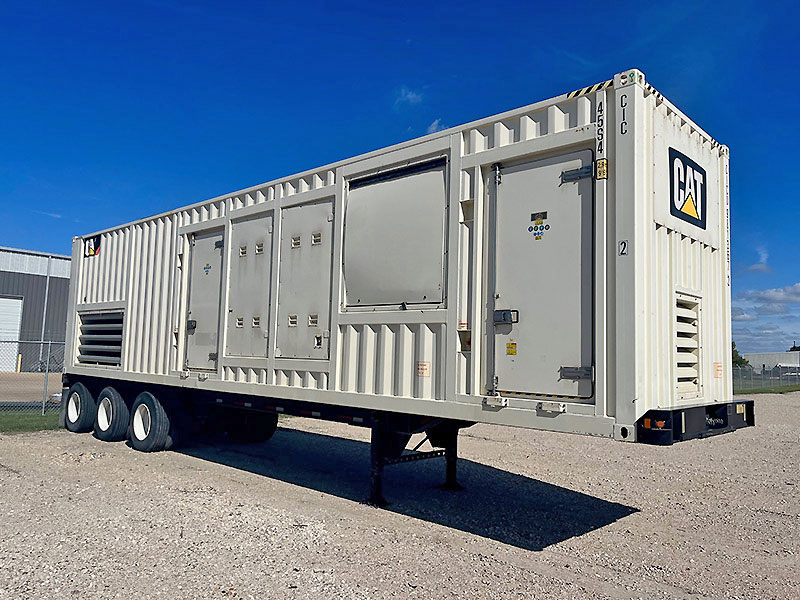
ISO Container Generator Enclosures
An ISO container generator enclosure is built within a modified 20 foot or 40 foot shipping container. This type of generator enclosure is commonly used for large industrial, utility, and mission critical applications.
Key Characteristics of an ISO Container Generator Enclosure
- Heavy duty steel structure designed for transport and outdoor placement
- Modular format that supports scalability and paralleling of multiple generators
- Integrated ventilation, fuel, and exhaust systems
- Configurable sound attenuation packages
- Simplified logistics and deployment
ISO containerized generators are often used in data centers, oil and gas operations, industrial plants, utility projects, and temporary power installations. The container format simplifies transportation and placement while providing robust protection from environmental conditions.
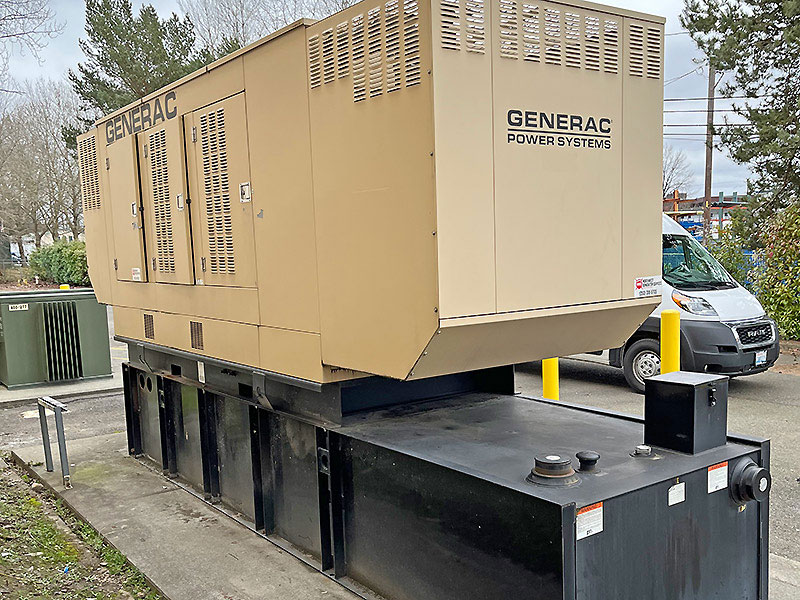
Weatherproof Generator Enclosures
A weatherproof generator enclosure is designed to shield the generator from environmental exposure such as rain, wind, snow, dust, and debris.
Key Characteristics of a Weatherproof Generator Enclosure
- Steel or aluminum construction
- Corrosion resistant coatings
- Louvered ventilation openings for airflow
- Lockable access doors for maintenance and security
- Designed for permanent outdoor installation
A weatherproof generator enclosure is commonly used in industrial environments where environmental protection is required but strict noise reduction is not the primary concern. While it provides essential protection from the elements, it typically offers minimal sound attenuation unless additional acoustic treatment is added.
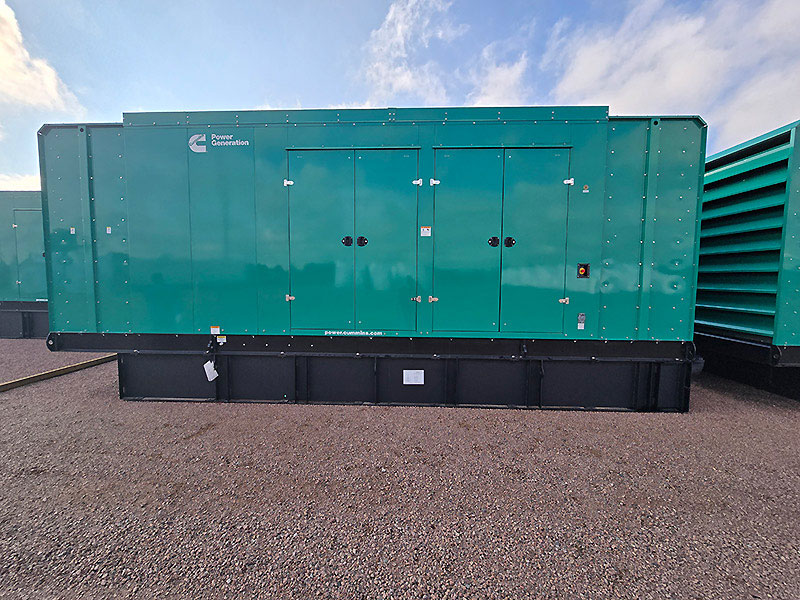
Sound Attenuated Generator Enclosure
A sound attenuated generator enclosure combines environmental protection with engineered noise reduction. Noise control is a major consideration for commercial and industrial installations located near occupied buildings or within municipalities that enforce sound limits.
Sound attenuated generator enclosure designs are often categorized as Level 1, Level 2, or Level 3, with each level representing increasing sound reduction performance. Exact classifications vary by manufacturer, but the general distinctions are as follows.
Level 1 Sound Attenuated Generator Enclosure
- Basic sound reduction beyond a standard weatherproof enclosure
- Moderate acoustic insulation
- Standard exhaust silencers
- Suitable for industrial zones with less restrictive sound limits
Level 2 Sound Attenuated Generator Enclosure
- Enhanced acoustic insulation
- Improved airflow baffling
- Higher performance silencers
- Common in commercial areas or near occupied facilities
Level 3 Sound Attenuated Generator Enclosure
- Maximum sound reduction for sensitive environments
- Advanced acoustic panels and intake and discharge baffles
- High performance exhaust silencing systems
- Frequently specified for hospitals, data centers, and noise sensitive sites
Local ordinances typically define allowable sound levels in decibels measured at specific property lines or distances. To meet these requirements, a generator enclosure may need custom modifications such as thicker wall assemblies, specialized acoustic materials, tuned ventilation paths, or coordinated exhaust silencing.
Integrated Generator Enclosure, Fuel Tank, and Exhaust Design
For large commercial and industrial generators, like the Cummins 2500 kW DQKAN data center generator, enclosure design is rarely a standalone consideration.
Sub-base fuel tanks are often engineered as part of the overall generator enclosure system. Structural support, fuel capacity, secondary containment, and service access must align with the enclosure design.
Generator exhaust systems are also designed in conjunction with the generator enclosure. Key considerations include:
- Exhaust routing and discharge height
- Silencer selection and placement
- Heat management within the enclosure
- Structural support and code compliance
- Emissions and sound requirements
An integrated approach ensures that airflow, cooling, fuel delivery, structural stability, and maintenance access function together as a coordinated system.
Generator Enclosures for Commercial and Industrial Facilities
Global Power Supply provides engineered generator enclosure solutions for commercial, industrial, and mission critical facilities across the United States. With decades of experience in power generation systems, custom fabrication, and code compliant installations, generator enclosure projects are executed with a focus on performance, durability, and regulatory alignment.
From ISO containerized systems to advanced Level 3 sound attenuated enclosures, hurricane rated structures, and extreme environment designs, solutions are built to meet site specific operational and regulatory requirements.
Generator enclosure selection is not one size fits all. When uptime, compliance, and long term reliability are priorities, expert enclosure design plays a critical role in overall power system performance.